

From 20 TL Carton to HTC Vive: Behind the Scenes of a VR Developer Today I asked the artificial intelligence (ChatGPT) "How do I delete an object in the scene in Unity?" When you ask, it takes 3 seconds to get the answer.
But when the year was 2017, it took me exactly 1 hour to find a simple "Destroy" code, get lost in the documentation, and do trial and error. There were no resources, no roadmap, just curiosity.
This article is the unfiltered story of that journey, which started with a 20 TL cardboard pair of glasses at university, continued by getting entangled in HTC Vive cables, and ultimately caused me to leave a table that didn't know its value.
- Kıvılcım: "You Should Have Your Share of This Pie" I'm in my last year of university. After a class, my teacher, who knew my interest in computer graphics, approached me. At that time, Google Cardboard was just being heard of. My teacher looked into my eyes and said:
"There is something called Virtual Reality (VR) coming. The future is there. Go buy a cheap pair of glasses and get your share of this cake."
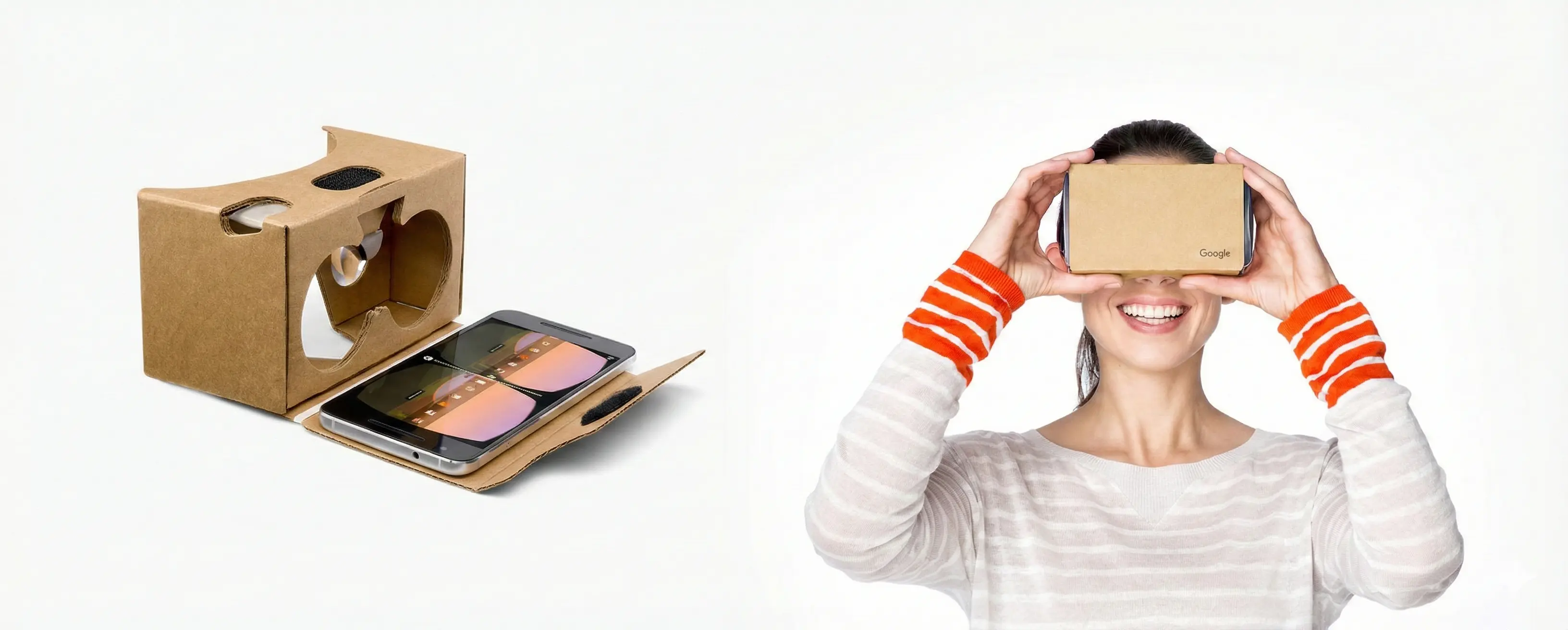
The original was expensive for the student budget. In the evening, I bought an equivalent cardboard device costing 20 TL. A simple cardboard with two lenses coming out of it... I placed my Samsung S3 phone inside. The lenses were of poor quality, the phone was getting hot, but when I put that cardboard on my head, what I saw was not just pixels, but huge potential.
- "Garage Era": Producing Under Impossibilities At that time, software SDKs were not "plug-and-play" like they are today. I was trying to create 360 degree experiences with video editing programs and was struggling with the 3rd party SDKs of Unreal Engine and Unity engines.
It may seem funny to today's developers, but writing a simple interaction code could take us weeks. "Destroy(gameObject);" Today, I get the pleasure of discovering the command from very few things today.
- Startup Years and the HTC Vive RevolutionAfter graduation, I was accepted to a startup thanks to the demos I made with cardboard glasses. In the first 6 months, the applications we developed brought significant income to the company and we moved to a larger office. And that day came: An HTC Vive was taken to the office.
Transitioning from a cardboard box to a professional system where you can move at room scale... When I put on the glasses, I was in a completely different universe. But this universe also had its costs.
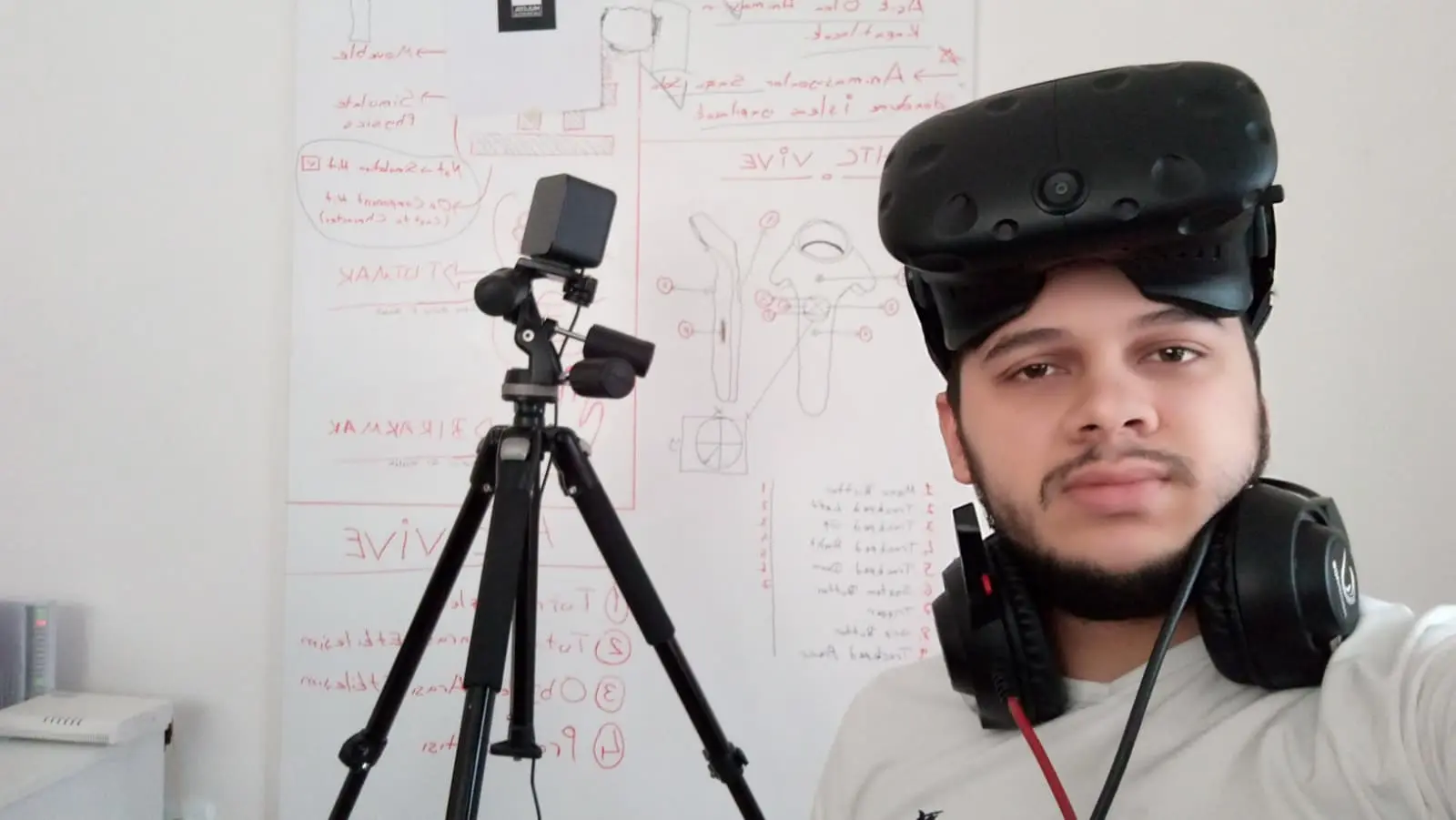
The Physical and Logistic Nightmare Behind the Scenes From the outside, it seemed like they were "playing a game", but the story was different:
Vertigo and Nausea: As a result of long-term testing, I experienced severe dizziness and the onset of vertigo. Your brain thinks you are moving, but your body is standing still.
10 KG Load: When we went to customer presentations and fairs (Turkish Science and Technology Center Conference, IST VR Meetings, etc.), we carried not only the glasses with us, but also the huge computer case weighing 10 KG that would power it.
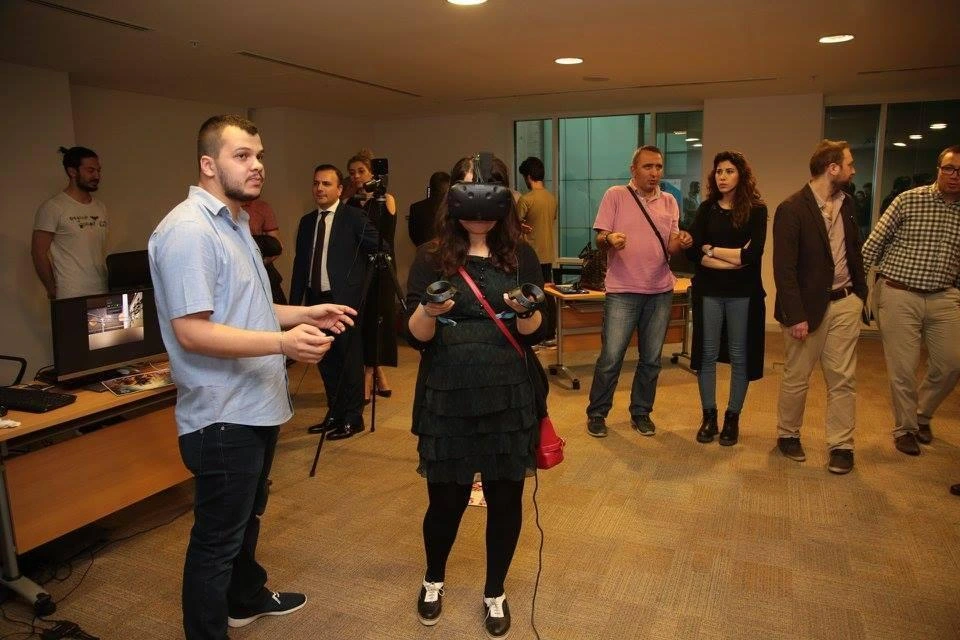
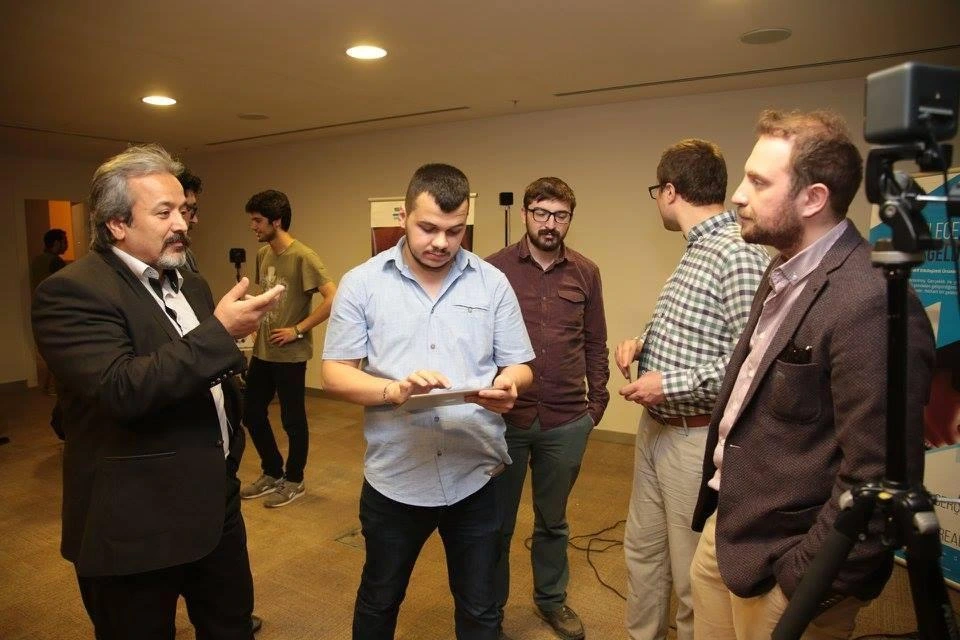
Cable Mess: 4 sensor poles, meters of cables... We even tried installing pulley systems on the ceiling to untangle the cables that got tangled in your feet during the experience.
Sales Challenge: When we went to the customer and said, "Buy this," they had to buy not only the glasses, but also that huge computer and the staff to do the installation (me). Costs were not scalable.
- Breaking Moment: Getting Up from the TableDespite all these difficulties, I technically supported the company. The turnover I gained was many times higher than my cost. However, I was working for a very small salary, with the sole motivation of "learning the job".
At some point I realized: I'm not just writing code, I'm building a business model.
I knocked on the managers' doors. I didn't want a salary increase, I wanted a partnership or shares in the company. Because I wanted to guarantee my future. The answer I got was polite but clear: "You can't be partners."
I had to make a decision at that moment. I would either continue to console myself with the excuse of "I'm learning the job" or I would defend my own value.
I resigned at that moment. I had no plan. I didn't have next month's rent in my pocket. I was just confident in what I was doing.
When I walked out the door I thought, "What do I do now?" I was thinking...
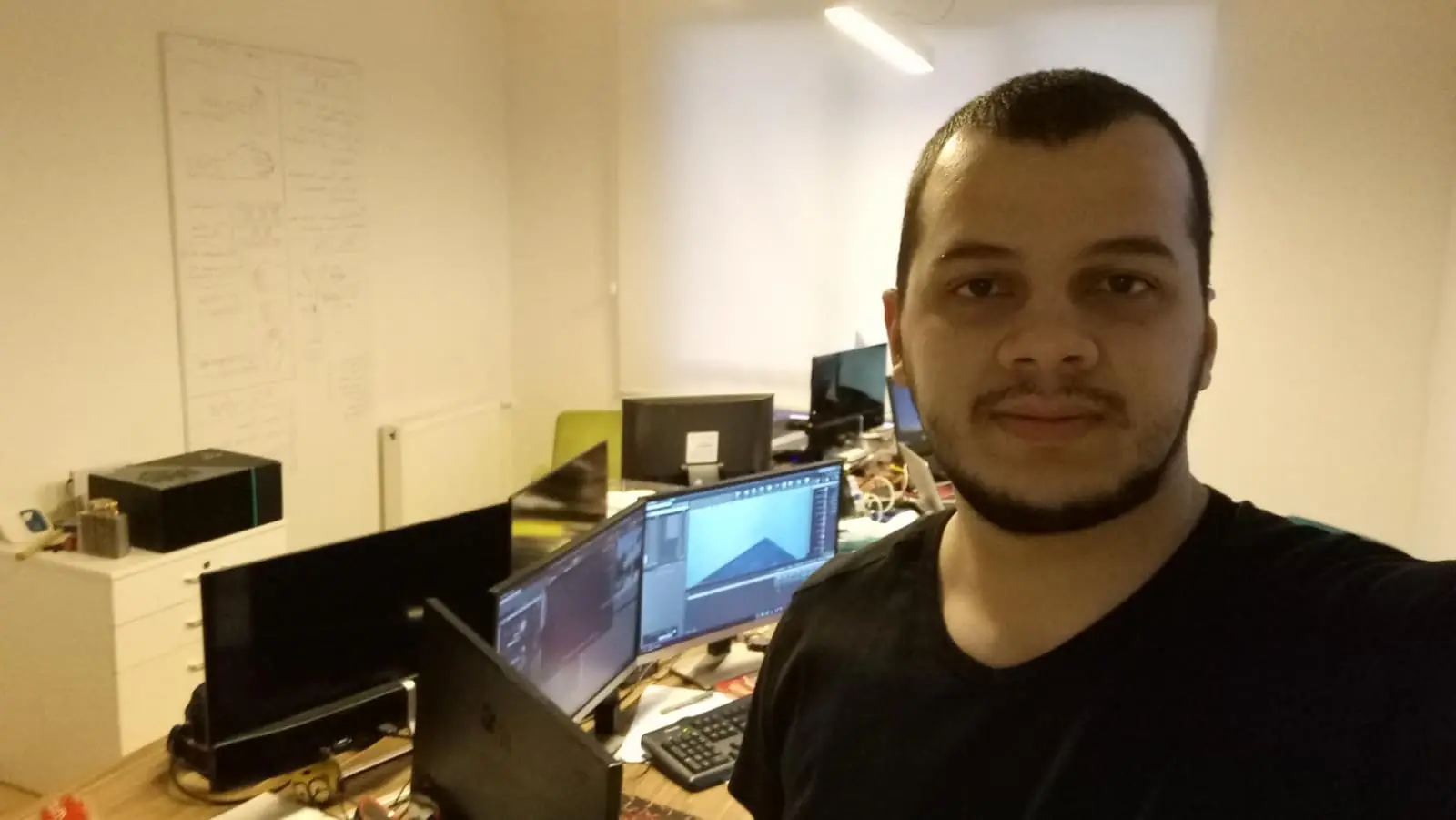
To be continued in the next article... That night I resigned, I thought I was taking the biggest gamble of my life. However, a phone call that came just 4 hours after I went home and shared the situation on social media showed that my unemployment would last much shorter than I thought.
In the next article: "The Offer Received 4 Hours After Resigning and the 72,000 GBP Trip"
Core Concepts and Technical Context
This story shows how hardware constraints directly shape engineering decisions in AR/VR product delivery. Limited SDK maturity and weak tooling had a first-order impact on implementation speed and delivery quality.
Technical and Operational Trade-off Analysis
Shipping under budget pressure, low-end hardware, and incomplete documentation required constant trade-offs between speed, quality, and maintainability. Each decision balanced short-term delivery against long-term product reliability.
Real-World Scenario and Key Takeaways
The outcome made one point clear: technical correctness alone is not enough for product success. UI/UX quality strongly influences user trust, conversion, and commercial outcomes, even when core engineering is solid.